


We like to believe we live in the most progressive era in history. We celebrate female CEOs, female millionaires, female senators and
female athletes breaking records. We post slogans about women’s empowerment and equality. Yet, beneath the celebration, a harder truth remains: being female still means navigating a world that questions your worth before you even open your mouth.
What does it take to be a female? It is to wake up early to sculpt yourself into something “presentable.” It is to sit with your legs crossed and posture perfect, even when your back aches. It is to endure demeaning comments and respond with a polite smile. It is to meet every social standard and still be told you are not enough. A social code is still placed on them, aimed at turning spirited women into inanimate dolls. Equality may be discussed, but is it consistently practiced in today’s world?
Women in the United States were not recognized as full political participants until the ratification of the 19th Amendment to the United States Constitution in 1920. Before then, their voices were legally irrelevant. According to Data People, women still dominate “pink collar” professions like teaching, nursing, sewing and clerical work. Their labor sustained society, yet their independence was restricted. That was not accidental; it was structural.
The laws have changed. The expectations have not. While women have gained significant rights over the course of history, the impact of harsh standards cannot be erased.
Females lean over bathroom sinks and pick out every detail that is wrong in the mirror. Women still spend countless dollars on beauty products marketed to “fix” every imperfection on their bodies. They still shut their lips and bow their heads when men confront them.
Throughout history, women have dealt with demanding social expectations and restrictions on their freedom. Women were expected to manage an entire household while hiding their dirty hands and presenting a respectable image. Men worked in the public sphere under grateful eyes while women worked in the dark.
According to the Pew Research Center, women in the United States earn, on average, about 85% of what men earn, making nearly 15 cents less than men per dollar. It affects retirement, security and generational wealth. Inequality is not just qualitative; it has become quantitative.
Even today, workplace dynamics reveal hesitation shaped by history. Research by Harvard Business School professor Katherine B. Coffman shows that men apply for jobs when they meet about 60% of qualifications, while women tend to apply only if they meet 100%. It is not confidence, it is judgment.
Instead of jobs and personalities, a woman’s worth has historically been determined by their ability to maintain a family. Women were praised for meeting beauty standards and winning a husband, no matter the cost. In history, we learnt that women would stick leeches on their skin to suck their blood and make them paler, or tighten a corset until all the air was stolen from their lungs. If these characteristics appealed to the male gaze, the consequences did not matter.
It was easy for men to take advantage of these relationships, and women were often abused mentally and physically. According to the World Health Organization, about 30% of women will experience violence from their partner in their lifetime. Throughout all the abuse, women were still likely to keep the household running and produce children.
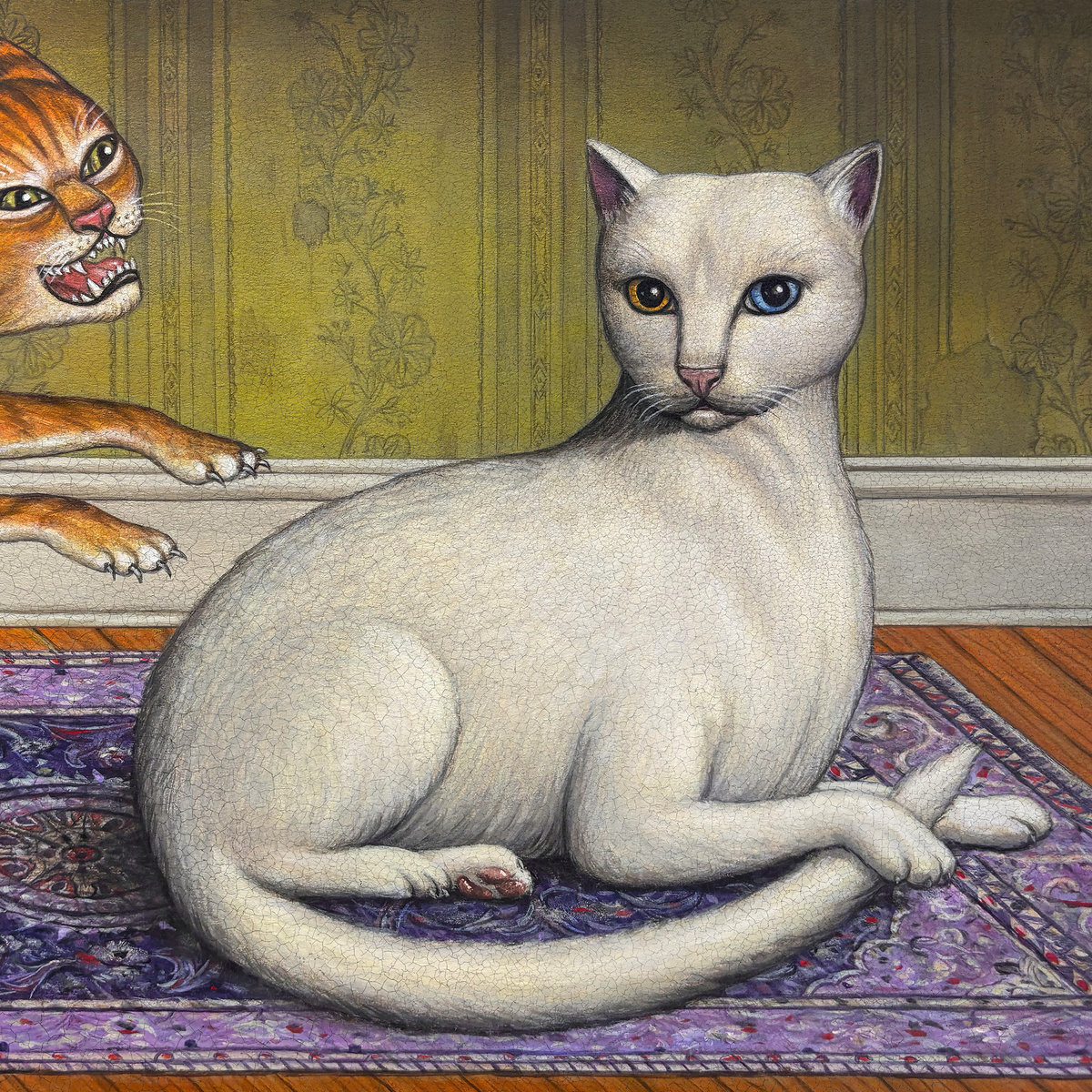
Women would take the abuse and hide it, portraying a picture-perfect life. They were turned into porcelain dolls that served better as a quiet display than as something meant to be contemplated and cared for. Women feel pressure to change their appearance to fit the doll’s image. Entire industries profit from convincing women they are flawed. Confidence is marketed, but insecurity is cultivated. We call it self-care. Often, it is self-correction.
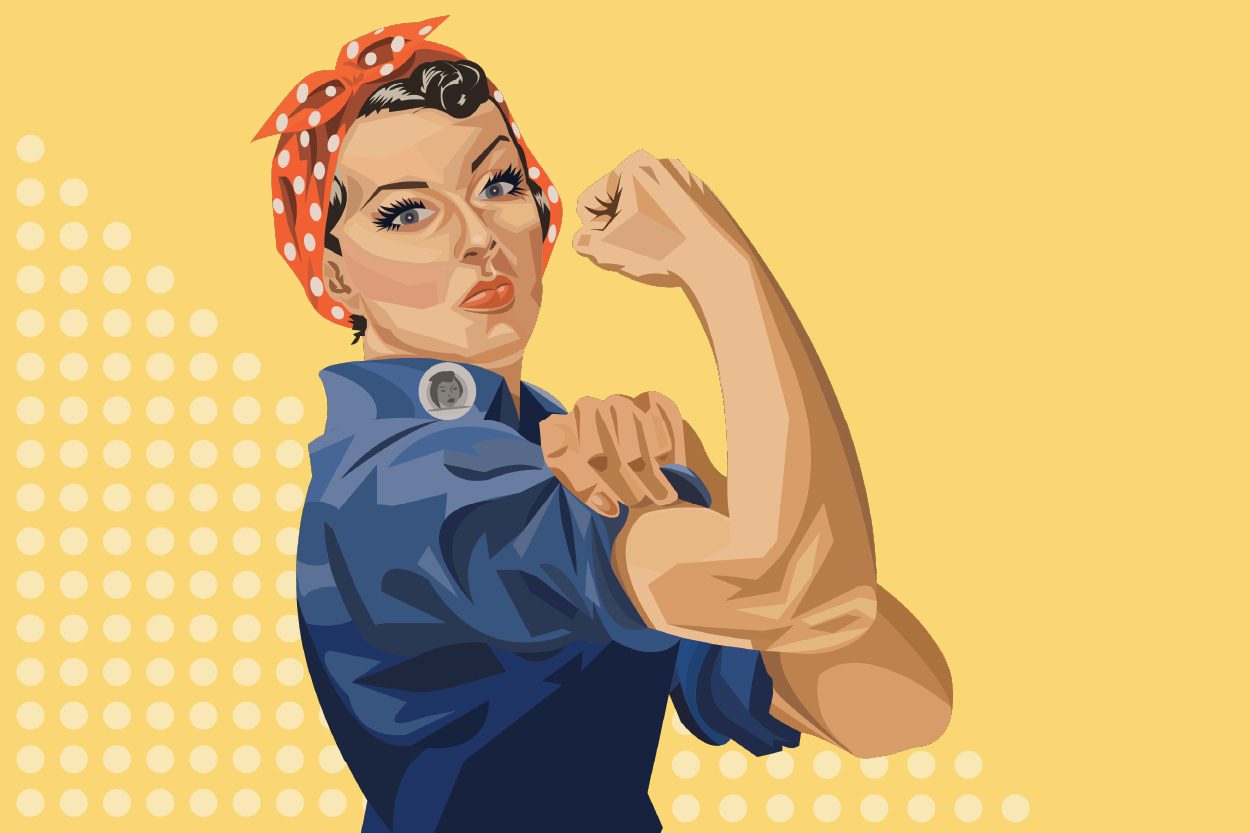
And yet, despite every barrier, women continue to make societal breakthroughs. Women make up roughly 67% of the global health and social workforce. They are researchers, physicians, engineers, legislators and entrepreneurs. Women are carving their own paths instead of waiting for acceptance.
But resilience should not be the requirement for respect. Women should not have to overperform to prove competence or overcompensate to earn equality. The burden of adaptation cannot remain solely on them. So, why did it take so long for people to see the value of women?
The uncomfortable answer is this: society has always seen a woman’s value. The public simply chose to benefit by refusing to acknowledge it. Women’s labor was welcomed. Women’s leadership was not.
If we truly believe in equality, symbolic progress is not enough. Closing pay gaps, confronting violence, dismantling double standards and rewriting cultural narratives are not optional tasks; they are overdue responsibilities.
So, how do we erase an invisible code of laws? Being female should not mean surviving scrutiny. It should mean existing without condition. The value of women was never absent. The recognition was.