


The City of Lawrence Parks and Recreation office announced its plan in mid-November to introduce a fee system for members of the community to use recreational facilities around town. While individuals under 18 can still enter for free, adults must now pay a monthly fee. The proposal first made its way to the commission in 2023; however, it never made it to a vote due to public pushback. It was only recently that the Lawrence Commission voted in favor of the policy to cut the city’s multi-million dollar deficit.
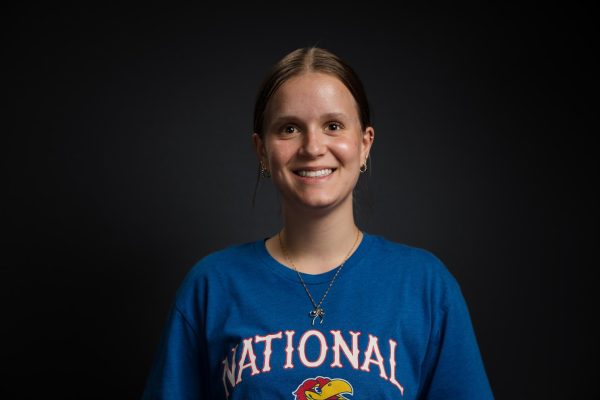
For junior Peyton Moore, a temporary admin at Rock Chalk Park, she said that the change has drawn mixed reactions from students and community members who use the facilities frequently. She also said the adjustment has been difficult, especially for the front desk employees.
“I get yelled at a lot, and I get a lot of strong feelings,” Moore said. “But then, there are also people who understand, and they’re really kind about it, and they know that it’s not the people who are working. It’s not their fault.”
Although staff members received notice before the change, Moore said the rollout felt rushed. She said the city didn’t give recreation centers enough time to prepare. As a result of this, Moore said attendance has continually declined.
“[That] just shows that they don’t know what happens at the facilities and they
don’t know how much the community relies on the facilities — youth and just minority populations,” Moore said.
Math teacher Ben Pope, who plays recreational basketball in the Lawrence Adult League occasionally, said he was disappointed about the decision, citing the importance of having a community space to exercise for free.
“They’re important just for general health because not everybody can afford a gym membership,” Pope said. “But everybody should be exercising, whether they can afford it or not. And having a place where everyone has access is valuable for the community.”
Additionally, Pope said recreation centers serve purposes beyond sports and exercise. They are among some of the vital buildings around town. “It’s a place people can go to the bathroom, and they can get some water. They can get outside if it’s hot or cold outside. Now obviously it’s just a resource taken away, because I know there are a lot of people who will use it for showers and tornado shelters and things like that. Recreation is the intention, but there’s a lot of other uses for it,” Pope said.
Students who regularly use the centers also expressed concern. Jacob Dirk, a freshman who has been visiting weekly to play basketball and run on the track since he was a kid, said he was surprised by the announcement.
While Dirk said he understands the financial reasoning, he worries about the broader impact, as individuals sometimes use these facilities to relieve stress and socialize.
“Some people go to the rec center to get away from whatever, and then kind of taking this away from them almost will cause more issues,” Dirk said.
Additionally, freshman Will-Henry Tschundy said he typically goes to the recreation centers with his family, and now he has felt the effects of the new policy.
“It’s really hard on my parents, because they used to come here all the time with me and have fun, and now they have to pay for it,” Tschundy said.
As the city implements the new fee system, Pope said he hopes recreation centers can remain spaces that prioritize accessibility and community connection.